First Time Buyers
Where does a first home search in Tucson start?
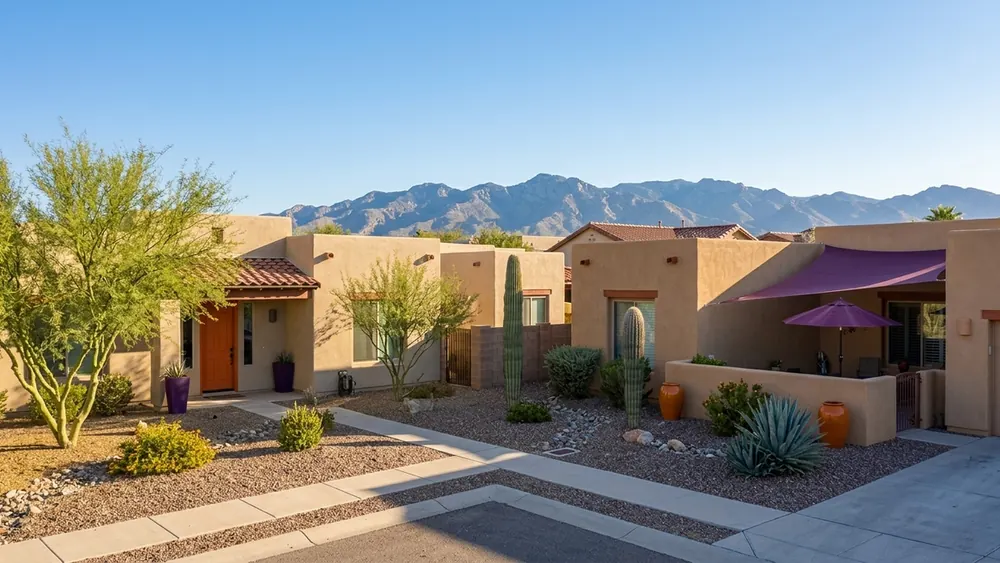
A first home search in Tucson usually starts with a conversation with a licensed lender, so you know your price range, and then a short written list of what your home must have and where your days take you.
On this page
- Start with your price range, then your list
- What the lender conversation settles first
- Writing a short list your search can use
- Choosing which communities belong on your map
- How a balanced market changes the early steps
- Assumptions that surprise first time buyers
- What to gather before a first conversation
Start with your price range, then your list
A first home search in Tucson usually starts before you look at a single home. The first step is a conversation with a licensed lender, so you understand the price range that fits your budget and the loan options open to you. The second step is a short written list: the few things your home truly must have, and the places your days actually take you. With those two pieces in hand, touring becomes focused instead of endless.
This order matters because it protects you from the most common first purchase frustration. Falling for a home and then learning it sits outside your comfortable budget is discouraging, and it can make every home after it feel like a compromise. Knowing your range first means each home you tour is a real option, and each comparison you make is a fair one. You spend your energy on decisions you can actually act on. It also makes conversations with sellers simpler later on.
None of this needs to happen quickly. A first purchase is a big decision, and basic questions are welcome at every stage. The goal of the early steps is not speed. It is clarity, so that when the right home appears in Greater Tucson, you can recognize it, understand the paperwork in front of you and move forward with confidence rather than guesswork. Think of these first steps as groundwork. They take some time up front and save a great deal of second guessing later.
What the lender conversation settles first
The lender conversation answers the money questions that only a licensed lender can answer for your situation. Your agent can explain how the real estate side of a purchase works, but budget, loan terms and qualification belong with the lender. Programs and terms change, so get current details directly from the source rather than from a general article. Before that first meeting, it helps to write down the questions you want answered, such as these. Bring a notebook, and do not worry about sounding inexperienced.
- What price range fits comfortably with your income, savings and monthly spending
- Which loan options might suit your situation and what each one asks of you
- What paperwork the lender will need from you and when to gather it
- How a written preapproval works and how long it stays current
Writing a short list your search can use
Once you know your range, the next step is a short list. Short is the point. A long wish list makes almost every home look wrong, while a few true needs make good options easier to spot. Write down what you cannot live without, then the things you would like but could give up. Here are the kinds of questions that help shape that list. Keep the list somewhere you can update it, because touring often teaches you what matters more than you expected.
- How many bedrooms you need now, not someday, for the way you live
- Whether you want a yard to care for or would rather skip it
- Which daily trips you make most often and at what times of day
- Whether a townhome, a house or either one could work for you
- Which features you would happily trade for a better fit elsewhere
Choosing which communities belong on your map
With a list in hand, you can decide where to look. Many first searches begin in Tucson itself, including Central Tucson and Northeast Tucson, and some widen to include places such as Marana, Oro Valley or Vail. The right mix depends on how you live, not on any ranking. The useful question is always the same: does this community fit the needs on your list? Keep the comparison anchored to your own needs.
A practical way to test that is to visit each community at the times you would actually drive it. A place that looks right on a map can feel different on a weekday morning or a late afternoon. Drive your usual routes, stop where you would shop and notice what your daily rhythm would look like. That firsthand view tells you more than any general description could. If two communities both seem to fit, visit each more than once before deciding between them.
Some questions belong with official sources. Schools, services and commute patterns vary by address, so check them directly with the city or town, Pima County offices, official sources for schools and current map sources. Your agent can help you compare how each community fits your list and what kinds of homes appear there, while those sources confirm the details that depend on a specific address.
How a balanced market changes the early steps
You may hear the term balanced market. As a term, it describes conditions where neither buyers nor sellers hold a strong advantage. Under those conditions, buyers usually have more time to consider a home, and sellers need to prepare and price with care. It is a description of how negotiations tend to work, not a forecast of where prices are going. Conditions also differ from one home and one community to the next, so treat the term as background rather than a rule.
For a first time buyer, the practical takeaway is simple. Rather than trying to time the market, plan around your own timeline and know which terms matter most to you before you start. If you understand your range, your list and your priorities, you can respond calmly to whatever conditions you find, instead of reacting to headlines. Your plan, not the news cycle, sets the pace of your search. That is a steadier way to make a decision this size.
I would rather you ask a basic question early than guess later. A first purchase goes more smoothly when every step makes sense before you take it.
Assumptions that surprise first time buyers
A few assumptions cause most early surprises. One is that the listing price is the whole cost of owning a home. In reality there are other costs to ask about, from insurance to association fees where they apply, and an insurance agent and your lender can help you understand them. Another is that every home in a neighborhood follows the same rules, when some are part of a homeowners association and some are not. Asking about these costs early keeps your budget honest from the start.
A third assumption is that touring comes first and planning comes later. Touring before you have a range and a list often leads to long weekends that end without a decision. Finally, some buyers assume that asking questions slows things down. In practice, understanding each document before you sign it is what keeps a purchase on track. A good agent explains the paperwork step by step so nothing feels rushed or unclear. That pace is normal.
What to gather before a first conversation
Before you talk with Reta about a first purchase, a little preparation makes the conversation more useful. Bring the notes from your lender conversation, or a list of questions if you have not spoken with a lender yet. Bring your short list of needs and wants. If you already have a few communities in mind, such as Tucson, Marana or Vail, write down why each one appeals to you. Even partial notes are a helpful place to begin.
It also helps to note your own timeline in plain terms. Are you hoping to move when a lease ends, or are you flexible? Do you need to stay close to certain places for work or family? None of these answers needs to be final. They simply give the first conversation a starting point, so the discussion is about your situation instead of general advice. Write it down anyway, because even a rough sketch of your plans helps.
A first home search in Greater Tucson does not need to feel overwhelming. Start with your range, write a short list, test each community against it and ask questions whenever something is unclear. If you would like to talk through where your own search might begin, Reta is glad to walk through the steps with you at whatever pace suits your plans.
This article is general information about buying and selling homes in Greater Tucson, Arizona. It is not legal, tax, estate, lending or inspection advice and does not predict prices or promise results. Confirm financing with a licensed lender, HOA fees and rules with the association, tax, estate and care questions with a qualified professional, and property condition with a licensed home inspector. Reta Oznick, Tierra Antigua Realty.

Written by