First Time Buyers
What happens at each step of buying a first home?
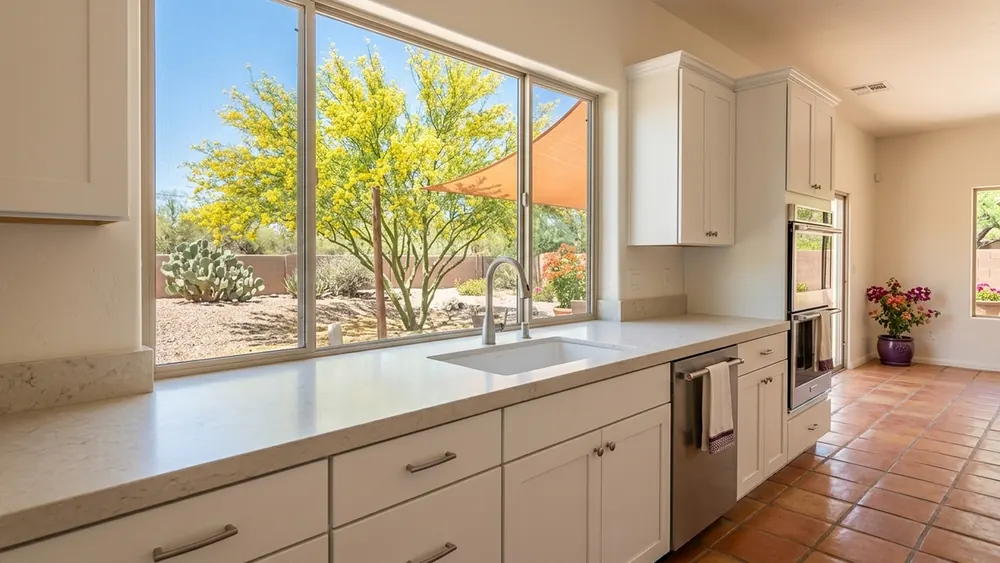
Buying a first home moves through a clear order: a lender conversation, a short list, touring, an offer, a review period for inspections and documents, and closing. Knowing each step ahead of time makes every decision calmer.
On this page
The steps of a first purchase in order
Buying a first home follows a fairly predictable order. You talk with a licensed lender about your price range, write a short list of needs, tour homes that fit, make an offer, work through a review period for inspections and documents, and then close. Each step builds on the one before it, and each one comes with its own questions and its own people who can answer them.
Knowing the order ahead of time matters because it turns a big, unfamiliar process into a series of smaller decisions. When you know what comes next, you can prepare for it instead of reacting to it. You also know which questions belong to which step, so nothing important gets skipped in the rush of an accepted offer. It also helps you feel more settled about each choice.
The exact details vary from purchase to purchase, and the timing of each step depends on the contract and on everyone involved. What stays the same is the shape of the process. This walkthrough explains that shape in plain terms for buyers across Greater Tucson, so the paperwork feels familiar long before you sign it. Read it once now, then again when you are closer to an offer.
Before you tour, settle your range
The first step happens before any touring. A conversation with a licensed lender helps you understand the price range that fits your budget, the loan options that might suit you and the paperwork you will need. Loan programs and terms change, so get current details directly from the lender. Many sellers also expect to see a written preapproval alongside an offer. Write down any questions the lender raises for you.
Next comes your short list. Write down the few things your home must have and the places your days actually take you. Keep it short. A short list makes good options easier to spot and keeps touring focused. With a range and a list in hand, you are ready to start looking at homes with a clear sense of what you are looking for.
Ask what every document means before you sign it. A good question at the right moment is worth more than a fast signature.
Touring homes with a clear purpose
Touring is where your list does its work. As you visit homes in Tucson, Marana, Vail or wherever your search takes you, compare each one against your needs rather than against the last home you saw. Take notes and photos so the details stay clear. It is easy for homes to blur together after a busy weekend.
Touring is also a chance to test the location. Drive your usual routes at the times you would actually travel them, and notice how daily life might feel from that home. Schools, services and commute details vary by address, so confirm them with official sources rather than relying on general impressions or online descriptions. Your own impressions from those drives are valuable too, so write them down.
During this stage, your agent can explain what to look for, help you compare homes against your list and answer questions about how each one might fit. If a home is part of a homeowners association, this is a good time to start asking what the association covers and how to get its documents, so you are ready if you decide to make an offer.
Making an offer you understand
When you find a home that fits, the next step is an offer. An offer is a written contract proposal that sets out the price you are offering, the terms you are asking for and the conditions that protect you, such as time for inspections and document review. The seller can accept it, decline it or respond with changes of their own. Each part of the offer has a purpose, and it is fine to ask about all of them.
The most important thing at this stage is understanding what you are signing. It helps to walk through each part of the offer so you know what every term means and why it is there. Questions about your loan belong with your lender, and questions about legal effects can go to an attorney. In a more balanced market, buyers often have a bit more room to consider terms carefully.
The review period after an accepted offer
Once an offer is accepted, a review period begins. This is when you look closely at the home and its paperwork before the purchase is final. The specific timing and conditions depend on your contract, so ask about them early. The review period usually involves several parallel tasks, including these. Each task has its own source of answers, and knowing them in advance keeps the period from feeling crowded or rushed. Ask about the timing as soon as the offer is accepted.
- Arranging an inspection with a licensed home inspector of your choosing
- Reading the homeowners association documents when the home has an association
- Working with your lender on the appraisal and final loan approval
- Speaking with an insurance agent about coverage for the home
If something unexpected comes up during the review period, such as a condition the inspector notes, you will have choices about how to respond. Your agent can explain the options the contract allows. A licensed home inspector or licensed contractors can explain the condition itself, and your lender can explain how it might affect the loan. Take each issue one at a time.
Who answers which question along the way
A first purchase involves several people, and knowing who answers what saves time and confusion. This table summarizes the main questions at each stage and where to take them. Each person covers a specific part of the purchase. When a question comes up, matching it to the right person usually gets you a clearer answer faster, and it keeps you from relying on guesses or general advice found online.
| Question | When it comes up | Who to ask |
|---|---|---|
| What price range fits my budget? | Before touring begins | A licensed lender |
| Does this home fit my list? | While touring and comparing homes | Your agent, using your written list |
| What does each offer term mean? | When writing and reviewing an offer | Your agent, plus an attorney for legal questions |
| What condition is the home in? | During the review period | A licensed home inspector |
| What do the association rules and fees say? | During the review period, if there is an association | The homeowners association and its documents |
Keeping this list handy helps you send each question to the right place. Your agent covers the real estate side of the purchase and the paperwork, while the lender, inspector, association, insurance agent and any attorney you consult each confirm the details that belong to their part of the process. When in doubt, ask your agent where a question belongs.
Closing day and the first weeks after
Closing is the final step, when the purchase becomes official. Before closing, you will usually have a chance to see the home again to confirm it is in the expected condition. Then you will review and sign the final documents, and your loan funds. Ask to see the closing documents ahead of time so you are not reading them for the first time at the table. Closing is a milestone worth preparing for calmly.
After closing, a few practical tasks remain, such as setting up utilities and keeping your purchase documents where you can find them later. Questions about property taxes or any tax effects of owning a home belong with a qualified tax professional or Pima County offices. Keep a short list of anything you want to ask once you settle in. Settling in takes time.
Preparing for your first conversation
Before talking with Reta about a first purchase, gather a few things. Bring any notes from a lender conversation, or the questions you want to ask one. Bring your short list of needs and the communities you are curious about, whether that is Tucson, Marana, Vail or somewhere else in Greater Tucson. Note your timeline in plain terms, including anything that is flexible.
Buying a first home is a series of understandable steps, not one overwhelming leap. When you know what each step involves and who answers each question, the process becomes much easier to manage. If you would like to walk through the steps for your own situation, Reta is glad to explain each one with you, at a pace that feels comfortable.
This article is general information about buying and selling homes in Greater Tucson, Arizona. It is not legal, tax, estate, lending or inspection advice and does not predict prices or promise results. Confirm financing with a licensed lender, HOA fees and rules with the association, tax, estate and care questions with a qualified professional, and property condition with a licensed home inspector. Reta Oznick, Tierra Antigua Realty.

Written by